Noah Klein · 25 October 2026
Fishing Communities' Oral Histories as Supplementary Sources for Shorecourt Research
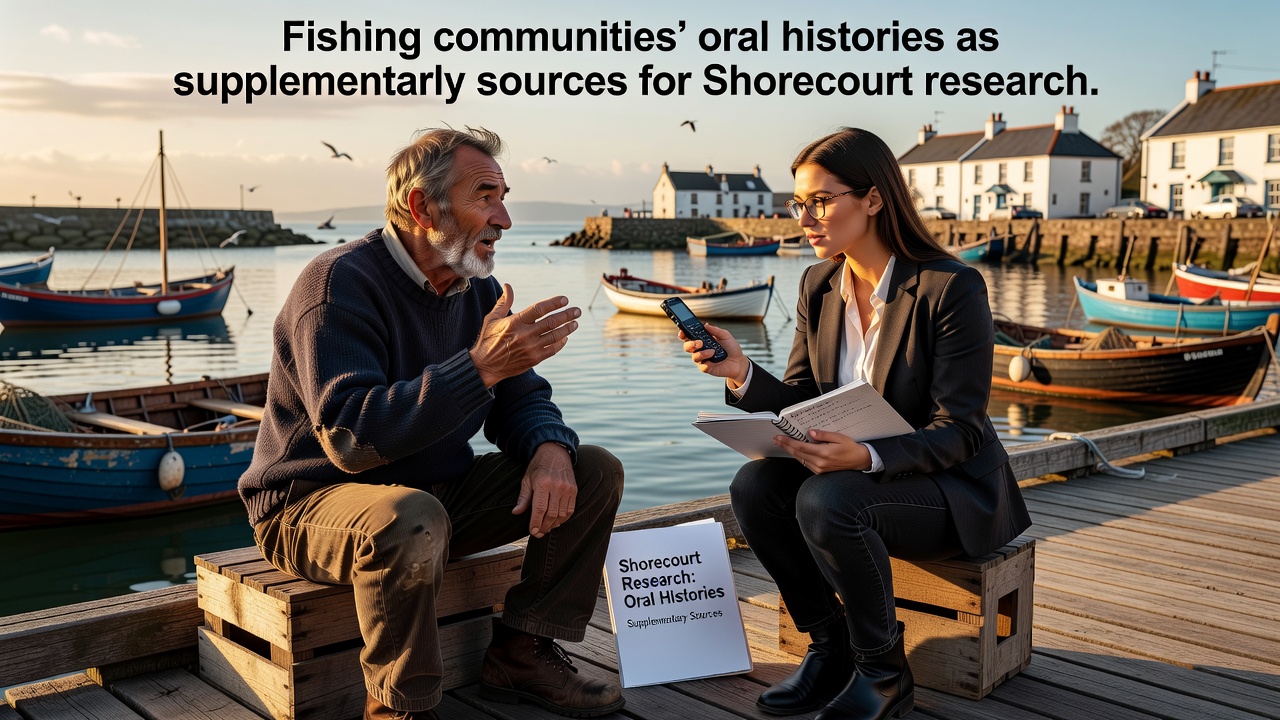
Researchers working with Shorecourt data have turned increasingly to oral histories collected from fishing communities because these accounts fill gaps left by official records on coastal boundaries and resource use, and they provide context for events that written documents often overlook or simplify.
Understanding Oral Histories in Coastal Contexts
Oral histories consist of recorded interviews and narratives passed down through generations in fishing villages, and they capture details about shifting shorelines, seasonal fishing grounds, and local agreements that predate formal legal documentation. Data from multiple coastal regions shows these accounts align with physical evidence such as old pier locations and sediment changes when cross-referenced against satellite imagery and court filings.
Communities along the Atlantic and Pacific coasts maintain collections that describe specific incidents like temporary access points used during storms or disputes resolved through verbal pacts before zoning laws existed, and these details become supplementary when Shorecourt analysts examine jurisdiction patterns over decades.
Integration Methods with Existing Archives
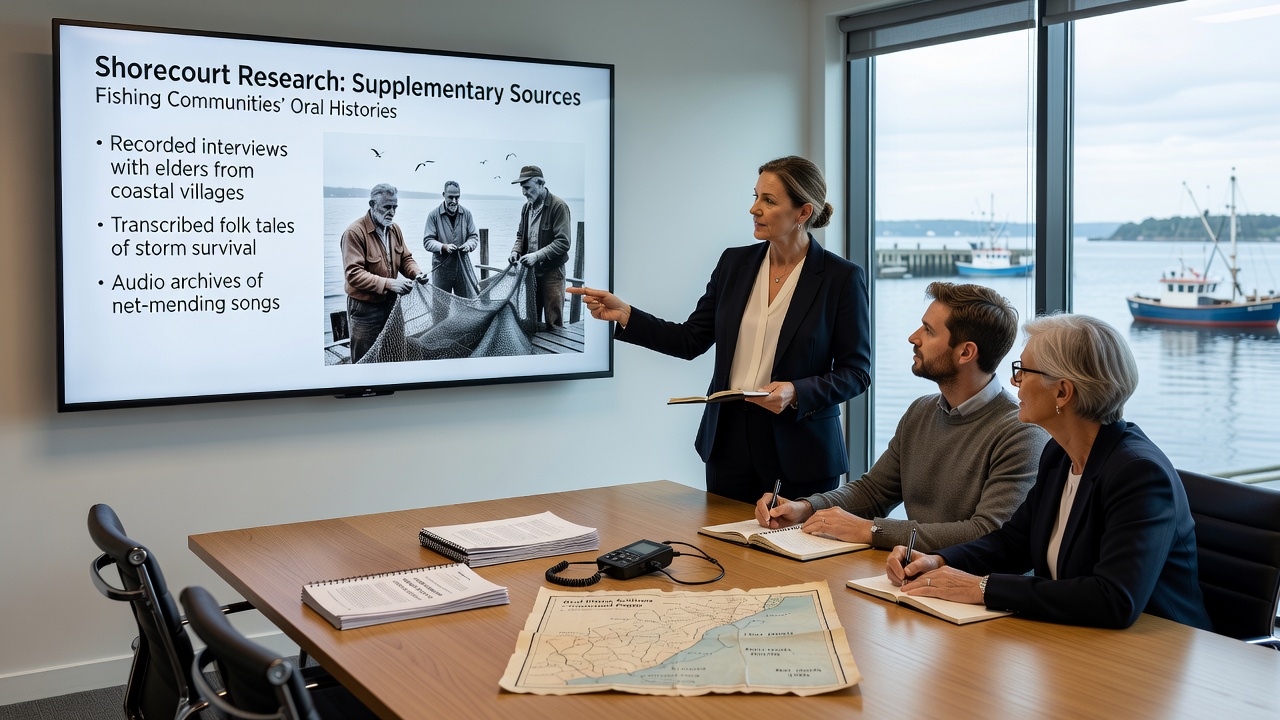
Analysts combine transcribed oral accounts with digitized legal archives by tagging references to landmarks or events that appear in both sources, and this process reveals consistencies in how fishing families described boundary markers that later appeared in regulatory maps. Government agencies in Canada and Australia have published guidelines for such cross-verification, noting that oral sources add temporal depth where paper trails begin only after mid-20th century statutes.
One project coordinated through regional universities matched stories of eel grass bed locations with 19th-century fishing logs, and the combined dataset clarified seasonal use patterns that influenced later public access rulings.
Examples from Specific Regions
In the Pacific Northwest, fishing elders described a series of coves that served as informal harbors during particular decades, and those descriptions matched declassified naval charts released in recent years. Researchers at the University of Washington incorporated these accounts into models that track how community knowledge informed later boundary adjustments.
Along the Gulf Coast, oral records from shrimp fleets documented changes in marsh edges following major weather events, and when compared with state environmental reports the timelines showed close correspondence that strengthened interpretations of historical access rights. The Australian Maritime Safety Authority maintains a public database of similar community narratives that analysts have used to supplement jurisdiction studies in dynamic coastal zones.
October 2026 Developments
In October 2026 several Shorecourt-related research teams released updated protocols for incorporating oral history metadata into digital platforms, and the new framework includes standardized tags for references to tidal patterns and vessel routes described by community members. These updates build on earlier pilot programs that demonstrated measurable improvements in the resolution of boundary dispute reconstructions.
Training sessions held that month focused on ethical collection practices, and participants learned methods for preserving dialect-specific terms related to fishing equipment and navigation points so the material remains usable for future quantitative analysis.
Methodological Considerations
Teams apply triangulation by comparing oral statements against multiple independent records such as tax assessments, harbor logs, and aerial photographs, and this approach reduces the risk of isolated inaccuracies while preserving the unique chronological insights that only long-term residents provide. Software tools now assist in aligning narrative timelines with geospatial data layers, allowing analysts to flag sections where oral accounts diverge from or reinforce official versions.
Funding from national science foundations has supported transcription projects that convert audio recordings into searchable text, and the resulting corpora have already contributed to studies on how fishing communities adapted to regulatory changes introduced after the 1970s.
Conclusion
Oral histories from fishing communities function as practical supplements to Shorecourt research when researchers apply systematic verification against physical and documentary evidence. The continued expansion of digital archives and standardized protocols supports broader incorporation of these sources, and ongoing work in October 2026 and beyond will determine how effectively the combined datasets inform coastal jurisdiction analysis across additional regions.